Friday, August 2, 2019

Smile To Improve Your Day — And Your Health!


“IT TAKES MORE MUSCLES to frown than to smile,” the old cliché goes, so you should smile more to conserve energy. Well, it turns out the cliché is false. Smiling takes at least ten muscles, while as few as six are required for a frown. A better expression would be “smile to burn more calories,” but that isn’t the only benefit you’ll get from flashing those pearly whites more often.

The Feedback Loop Between Smiling And Happiness

When we smile, it sets off a chemical reaction in our bodies and brains. We release endorphins, the feel-good hormones. The amazing thing is that we can release these endorphins simply by the act of smiling, even if it’s fake! Smiling and happiness are so closely tied together in our brains that it doesn’t matter which one comes first. If you’re having a rough day and want to feel better, smiling is a great, simple first step to take.

Smile Your Pain And Stress Away

That rush of endorphins has a lot of benefits, and two of the most immediate ones are reducing pain and relieving stress. Endorphins are natural painkillers with no side effects, and they help us recover more quickly from stressful situations. A 2012 experiment demonstrated this by testing how long it took for subjects’ heart rates to return to normal after performing a stressful task. The smiling subjects were the fastest to recover!

Smile To Give Your Immune System A Boost

Over time, those short-term benefits from the endorphins released by smiling can compound into something much bigger. By smiling freely and often, we can make ourselves more resilient against all kinds of illnesses — even lowering our chances of getting cancer by reducing the number of stress-induced mutations our cells go through.

Smile To Live Longer!

When we think of the benefits of smiling, we usually don’t think much farther than how it makes us look younger and more attractive to the people around us, but in the end, smiling can actually add years to our lives. Smile as often as you can so that you can take full advantage of what it can do for you, and make sure you’re taking good care of your smile so that you feel more like sharing it.


Let’s See Those Gorgeous Smiles!

Did you know that children smile an average of twenty times as often as adults over the course of a day? Just imagine the health benefits we could enjoy as adults if we smiled as often as we did when we were little. We encourage all of our patients to find every reason you can to smile, and come see us twice a year so that we can help you keep your smile as healthy as it can be!

Our patients are our biggest reason to smile!


The content on this blog is not intended to be a substitute for professional medical advice, diagnosis, or treatment. Always seek the advice of qualified health providers with questions you may have regarding medical conditions.

Wednesday, July 17, 2019

How Clean Is Your Tongue?


“BRUSH YOUR TEETH for two full minutes twice a day and floss your teeth once a day.” You’ve probably lost count of how many times you’ve heard that, but how often have you heard that you should be cleaning your tongue every day too?

The Difference A Clean Tongue Makes

More bacteria likes to live on our tongues than just about anywhere else on our bodies. That’s because all those tiny crevices in the tongue’s surface are prime real estate for all kinds of pathogens. If we don’t actively keep our tongues clean, the harmful bacteria will stay put and multiply, causing bad breath and contributing to tooth decay on the inner surfaces of our teeth.
Another reason to regularly get rid of all that tongue bacteria is that it can dramatically improve your sense of taste. When the tongue is covered in bacteria, the tastebuds have a hard time doing their job, but with the bacteria gone, they’re free to absorb all those delicious flavors at their full capacity. Yum!
Chemical digestion begins in our mouths, and a clean tongue makes this process more effective too. So, if you want to enjoy your favorite foods as much as possible, keep your breath clean and fresh, and improve your digestive health, clean your tongue!

Finding The Best Tools For Cleaning Your Tongue

Keeping your tongue clean takes more than swishing mouthwash or rinsing with water. The bacteria hiding in all those tiny grooves is very stubborn, and washing with liquid won’t be enough do dislodge them. To really clear off the biofilm of bacteria, you need to scrape it with a tongue-scraper.
If you don’t find these in the grocery store near the toothbrushes, you can order one online, and some toothbrushes have tongue scrapers built in on the reverse side. Between brushing and rinsing your teeth is the best time to scrape your tongue. Start at the back and work forward, and try to get as much of the surface area as you can.
For the first few days, you might be surprised by how much biofilm comes away with the tongue scraper, but the longer you stick with it, the cleaner your tongue will become, until it seems like you’re scraping away nothing but clean spit. See if you notice the difference in your breath and your sense of taste when you get to this point!


Tongue-Scraping Is Older Than You Think

If you’ve never heard of tongue-scraping before, you might think it’s a new idea, but it’s actually been around since ancient times in some cultures. It’s part of the daily hygiene routine in Ayurveda, the traditional medicine of India. Tongue-scraping tools have been made of many different materials across the centuries, including copper, silver, gold, ivory, whalebone, and tortoiseshell. Today, they’re typically plastic or stainless steel.

Have Any Questions About Tongue Cleaning?

If you have questions about tongue cleaning or would like our recommendations on the best tools for the job, just give us a call! We’re always happy to help our patients improve their daily dental hygiene regimens, and we look forward to seeing you at your next appointment!

Thank you for being such wonderful patients!


The content on this blog is not intended to be a substitute for professional medical advice, diagnosis, or treatment. Always seek the advice of qualified health providers with questions you may have regarding medical conditions.

Monday, July 8, 2019

You’ll Be Smiling Again With Dental Implants


TOOTH DECAY, ACCIDENTS, and sports-related injuries are a few of the most common causes of tooth loss, but thanks to modern dentistry, we don’t need to live with a gap in our smiles. Among the most effective ways to fill in the gaps are dental implants.

Implants Versus False Teeth

Dentures (whether partial or full) are a time-honored solution for missing teeth, but they aren’t without their drawbacks. If they aren’t fitted well or properly secured, they may slip and fall out frequently, and they can also lead to soreness in the gums and jaw. Unlike real teeth, dentures don’t stimulate the jawbones, which results in gradual bone loss.
Unlike dentures, implants are surgically placed in the jawbone beneath the gums, the metal posts serving as new roots for replacement teeth that look and act just like natural teeth. Dentures may be cheaper than implants, but that’s the only advantage they offer. Implants prevent bone loss and stay in place while you’re speaking or enjoying your favorite foods, and you can brush them just like your regular teeth!

Types Of Implants

Depending on how healthy the patient’s jawbone is, we may recommend either endosteal or subperiosteal implants. Endosteal implants are ideal for patients with healthy jawbone. These consist of titanium posts placed into the jaw with oral surgery. After a healing period, a crown is placed on top in a second surgery.
Patients with insufficient bone to support endosteal implants may still be eligible for subperiosteal implants, which consist of metal frames placed between the jawbone and gum tissue. Posts are added to this framework and protrude from the gumline so that crowns can be attached to them.
Even if you don’t need implants, you might benefit from artificial crowns:


Should Implants Come Before Or After Braces?

Typically, when a patient needs orthodontic treatment as well as one or more implants, braces come first. This is because an implant won’t move once it’s in the jaw. Sometimes, an implant can be placed before or during orthodontic treatment, and then it might be used as an anchor to help the natural teeth move into their proper place.

Talk To Us About Implants

Over three million people in the U.S. alone have at least one dental implant, so you’ll be in excellent company if you choose this option to complete your smile. If you have a missing tooth and need to fill that gap, give us a call to schedule an appointment! We’ll evaluate the health of your jawbone and see what type of implant will be best for you.

We love our patients’ smiles!


The content on this blog is not intended to be a substitute for professional medical advice, diagnosis, or treatment. Always seek the advice of qualified health providers with questions you may have regarding medical conditions.
Tuesday, June 25, 2019

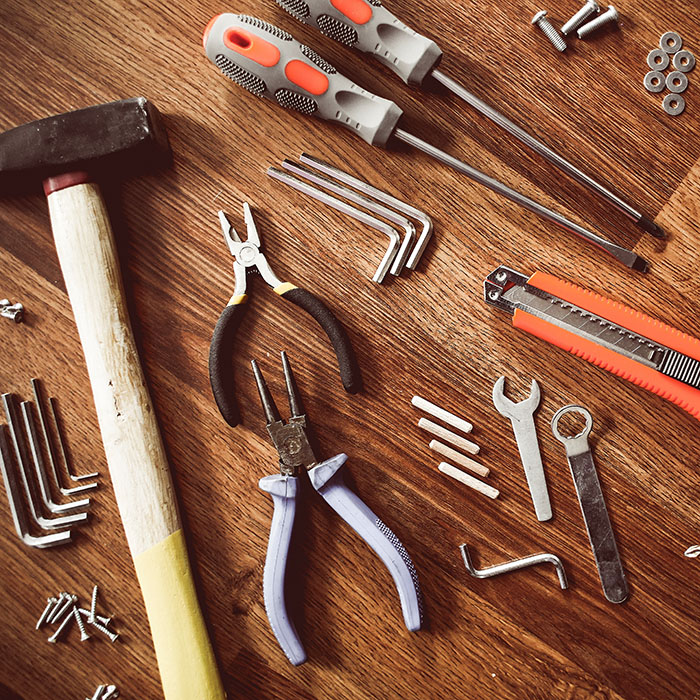
Repeat After Us: Teeth Are Not Tools


OUR TEETH ARE pretty amazing, and there’s a lot they can do. They chew our food, they provide structural support for the lower third of our faces, they help us speak clearly, and they give us our beautiful smiles. However, many people also find other uses for their teeth, which can be very dangerous. Teeth are not tools, and shouldn’t be used in place of them.

Teeth Are Not Bottle-Openers

Tooth enamel is the hardest substance in the human body, so it might seem like that makes teeth perfect to use when you don’t have a bottle opener handy, right? Wrong. Tooth enamel isn’t just hard, it’s brittle,and it is not designed to win a fight against materials like metal and glass.
Using your teeth as a bottle opener can easily chip, crack, or break them, as well as risking damage to the soft tissues of the lips and gums if you slip. Doing it over and over again can even cause your teeth to shift out of their proper alignment and wear down unevenly. It isn’t worth it.

Teeth Are Not Nutcrackers

Like with trying to open a bottle, trying to crack a hard walnut, pecan, or even pistachio shells and popcorn kernels between your teeth risks chipping or cracking the teeth instead. Teeth that are already weaker due to decay or a filling are at even greater risk of damage.

Teeth Are Not An Extra Hand

When your hands are busy, it can be very convenient to hold a pencil, sewing pins, or maybe a few nails between your teeth. However, making a habit out of doing this can have a number of consequences. If you trip, the items in your mouth could cause a serious injury. If a yawn or hiccup catches you by surprise, you might even end up swallowing or choking on the object. And over time, you can wear down your enamel. Pencils would be better off behind your ear, pins in a cushion, and nails in a utility belt until you’re ready to use them.

Teeth Are Not Scissors (Or Nailclippers)

A particularly common way people use their teeth as tools is to bite through packing tape instead of using scissors, and some people even try to use their teeth to cut through wire. It takes much greater biting pressure to cut through non-food items than it does to chew food,and cutting things requires grinding the teeth together. This wears down the chewing surfaces and risks chipping and fracturing.
A nail-biting habit is particularly bad, both for the teeth and for the nails. The germs from the nails increase the risk of tooth decay, teeth will become worn down more quickly and shift out of alignment, and pieces of fingernail can damage the gum tissue, all while the nails themselves are left ragged and misshapen.


Protect Your Teeth By Using Them Right

Cracked and fractured teeth are the third highest cause of tooth loss. Don’t take risks with your teeth by using them as tools. Save yourself an expensive emergency dental visit; use your teeth only for what they are meant for and continue your daily brushing and flossing routine to keep them healthy.

We love to see our patients’ smiles!


The content on this blog is not intended to be a substitute for professional medical advice, diagnosis, or treatment. Always seek the advice of qualified health providers with questions you may have regarding medical conditions.

Tuesday, June 18, 2019

It’s Time To Kick That Ice-Chewing Habit


CHEWING ICE MIGHT SEEM refreshing in the moment, but it’s not doing any favors for your teeth in the long run. Today we’re going to take a look at why ice chewing is such a common habit despite the dangers it poses, as well as what someone with this habit can do to stop.

Compulsive Ice Eating

The scientific name for compulsive ice eating is pagophagia. This goes beyond a simple habit and enters the territory of a mental disorder. Getting cravings for ice can be a sign of an eating disorder called pica, which involves a compulsion to eat things with no nutritional value, such as ice, clay, hair, and dirt. Pica is often the result of a nutritional deficiency.

Iron Deficiency Anemia

Studies have shown a correlation between compulsive ice eating and iron deficiency anemia, which is pretty common, with 20 percent of women, 50 percent of pregnant women, and 3 percent of men being iron deficient. Without enough iron in the blood, the red blood cells can’t effectively do their job of carrying oxygen throughout the body.
What does iron have to do with ice? Well, researchers theorize that chewing ice sends more blood to the brain, temporarily improving alertness and clarity of thought. This feels good, and so they keep doing it even when it causes dental problems.

Ice Versus Your Teeth

Our teeth are not designed to crunch against solid ice, and they are particularly not designed to chew through several trays of ice cubes a day. Doing this can destroy tooth enamel over time, not just because ice is hard but because it’s cold. The enamel expands and contracts due to these extreme temperature changes, creating tiny cracks in it and making it much weaker, just like pavement in snowy climates. All of this leaves the teeth painfully sensitive to hot and cold and far more vulnerable to cavities.
The texture of the ice can also cause injuries to gum tissue, which you may not even notice because of the numbing effect of the cold, and sometimes the ice can actually chip or break a tooth!


Breaking The Ice Eating Habit

The first step to kicking the ice eating habit is to find out what’s causing it. If the ice chewing is a symptom of anemia, getting iron supplements may eliminate the cravings, so it will be much easier to stop. If it’s pica, there are interventions to explore such as therapy and medication.
There’s also plenty you can do on your own. You can replace the crunchy texture of ice with baby carrots or apple chunks. If you struggle to give up the ice altogether, try letting slivers of ice melt on your tongue like candy rather than crunching on them. This will spare your teeth and gums from the damage of chewing the ice.

Your Dental And Health Care Professionals Can Help

If ice chewing is something you struggle with, make sure to schedule appointments with your doctor and dentist. Iron deficiency can cause a number of other problems besides triggering ice cravings, and it’s important to get diagnosed and treated before it gets worse, particularly for pregnant women.

Now go put that ice-chewing habit on ice!


The content on this blog is not intended to be a substitute for professional medical advice, diagnosis, or treatment. Always seek the advice of qualified health providers with questions you may have regarding medical conditions.

Tuesday, June 11, 2019

Plaque, Tartar, And Your Teeth


PLAQUE AND TARTAR are two words that you probably hear a lot when you come in for a dental cleaning. You might already know that they cause tooth decay and gum disease, but do you know what they are? Let’s take a closer look at these two substances that are a constant threat to our oral health.

Stage 1: Plaque

Dental plaque is a soft, sticky, colorless biofilm composed of bacteria, food particles, and saliva. It builds up on and between our teeth and beneath our gums every day. If you’ve ever forgotten to brush in the morning or at night, you’ve probably felt that unpleasant texture with your tongue.
Plaque contains millions of bacteria, and this bacteria digests leftover sugars and starches from the food we eat, then excretes acid onto our teeth. Because plaque is soft, it can be removed with simple brushing and flossing, but we have to be thorough and diligent to get as much of it as possible.

Stage 2: Tartar

The reason it’s so important to scrub away the plaque is that when plaque is allowed to sit on the teeth too long, it becomes tartar. Tartar is a hard, yellow or brown substance that bonds to tooth enamel and can only be removed at a professional cleaning appointment.
How does this transformation happen? When the acid excreted by oral bacteria comes into contact with minerals in our saliva, it causes a chemical reaction that hardens the plaque into tartar. The risk of tartar buildup is higher for people with braces, dry mouth, crowded teeth, or a smoking habit, and it also increases with age.


Keeping Plaque And Tartar Under Control

A rigorous oral hygiene routine, paired with regular professional cleanings, is the best way to control the plaque in your mouth and prevent it from hardening into tartar. Here are some of the things a good routine should include:
  • Brush twice a day for two minutes, making sure to brush all surfaces of the teeth and paying special attention to the gum line.
  • Floss or use a water flosser daily to clean the plaque and food debris left in those hard-to-reach spots between the teeth.
  • Choose an anti-plaque toothpaste.
  • Consider getting an electric toothbrush for more effective plaque removal, and replace your toothbrush (or the head of your electric toothbrush) regularly.
  • Give oral bacteria less fuel by cutting down on sugary foods and drinks.
  • Avoid smoking, which increases plaque and tartar.
  • Schedule dental cleanings at least once every six months.

Win The Battle For Your Dental Health

It might seem discouraging to think that plaque will creep back up throughout the day even after you brush and floss thoroughly. A better perspective is that it only takes a few minutes each morning and night to win the daily battle against plaque and tartar, and you can improve the odds for your teeth even more with regular dental visits!

Together, we can keep those teeth plaque and tartar free!

Wednesday, May 8, 2019

Oral pH: A Delicate Balance


YOU MIGHT REMEMBER a little bit about pH from a science class you took years ago in middle school or high school. Even if you don’t, that’s okay; it’s time for a refresher course because pH plays a major role in our oral health.
 

The Basics (And Acidics) Of pH

We could go into some really complicated things about hydrogen ions, but the important thing to know is that a pH of 7 is neutral — neither acidic nor basic. For example, water has a pH of 7. As the numbers get smaller than 7, the substance becomes more acidic, and as they get larger than 7 (up to 14), it becomes more alkaline or basic. Make sense? Good. Now let’s look at what this has to do with our mouths.

Acid Versus Tooth Enamel

Tooth enamel is the hardest substance in the human body, so it’s pretty tough. It is, however, highly susceptible to acid erosion. All it takes is an environment of pH 5.5 or lower for the enamel to begin dissolving.
There are many ways our teeth can be exposed to acid. The most obvious is when we eat or drink something sour or tart because we can actually taste the acid. When we consume something sugary or starchy, oral bacteria eats the leftovers stuck between our teeth and produces acid as a waste product. Acid reflux and vomiting also expose our teeth to stomach acid, which is very strong.

Saliva: The First Line Of Defense

The best natural defense our teeth have against acids is saliva, which has a pH slightly above 7. Saliva washes food particles away and helps keep oral bacteria populations in check. This is why dry mouth is such a dangerous problem for oral health. The less saliva we have, the more vulnerable our teeth are.
Sipping soda or snacking throughout the day is also a problem for our teeth, because saliva needs time to neutralize our mouths afterward, and constantly introducing more acid makes that much harder.

A More Alkaline Diet Will Help Your Teeth

A great way we can help out our saliva in the fight to protect our teeth, aside from the usual methods of daily brushing and flossing and regular dental appointments, is to eat fewer acidic foods and trade them for alkaline ones. That means adding in more fruits and veggies and leaving off some of the breads, dairy, and meats — and we should definitely cut back on soda and other sugary treats.

We Can Fight Enamel Erosion Together!

If you’d like more tips for how to protect your tooth enamel, just ask us! We want you to have all the tools you need to keep your teeth healthy and strong so that they will last a lifetime.

Our top priority is our patients’ healthy smiles!


The content on this blog is not intended to be a substitute for professional medical advice, diagnosis, or treatment. Always seek the advice of qualified health providers with questions you may have regarding medical conditions.

Tuesday, April 30, 2019

Why Are My Teeth So Sensitive?


IS A SIMPLE SPOONFUL of ice cream enough to make you cringe because of the pain in your teeth? Do you have to be careful when you drink hot coffee that none of it touches your chompers? If you know the feeling, then you’re one of millions who experience tooth sensitivity. Let’s take a closer look at what causes tooth sensitivity and what can we do about it.
 

How We Feel Sensation In Our Teeth

Each of our teeth is covered in a layer of protective enamel. Underneath this is dentin, which is a lot like bone. Dentin contains thousands of microscopic tubules that run through it from the inside of the tooth out to the enamel. At the core of each tooth is the pulp chamber, which contains nerves and blood vessels. Because of those tubules, the nerves inside the tooth can detect what’s happening on the tooth’s surface.

Common Causes Of Tooth Sensitivity

If the enamel wears away, the tubules become exposed and the nerves in the dental pulp suddenly get much more stimulation than they like. This is what makes enamel erosion one of the main causes of tooth sensitivity. Without enamel, the nerves get a nasty shock whenever anything too hot or cold, or even too sweet or sour, touches the outside of the tooth.
Root exposure from gum recession also leads to sensitivity. The enamel only covers the crown of the tooth, not the roots. Those are protected by the gums. If the gums recede (sometimes as the result of teeth grinding or improper brushing over time), it exposes the roots.
Cavities and tooth injuries can cause sensitivity as well, even if you’ve been taking great care of your gums and enamel.

Use The Right Tools To Protect Your Teeth

Fortunately for all of us, there are ways to fight back, even if our teeth are already sensitive. Using a soft-bristled brush will help prevent further enamel erosion or gum recession. There is also special toothpaste formulated for sensitive teeth. Avoiding sugary and acidic foods and drinks (particularly soda) is another way to help your teeth.

We Can Help You Fight Tooth Sensitivity

Your best ally in the fight against tooth sensitivity is the dentist! Schedule a dental appointment as soon as you notice a change in your sensitivity level, or if you’ve been struggling with it for a while. The dentist can help protect your teeth with a fluoride varnish, perform restoration work to combat enamel erosion, and may recommend a gum graft for receding gums or prescribe a toothpaste to help with sensitivity.

Together, we’ll keep your smile happy and healthy!


The content on this blog is not intended to be a substitute for professional medical advice, diagnosis, or treatment. Always seek the advice of qualified health providers with questions you may have regarding medical conditions.

Tuesday, April 16, 2019

A Closer Look At Our Teeth


WE USE OUR TEETH all day, every day, for chewing, talking, and flashing big smiles at friends and family, but what are the structures that allow our teeth to do so much? Let’s take a look at what our teeth are made of.
 

Layer 1: Tooth Enamel

The portion of each tooth that we can see above our gum tissue is the crown, and it has three different layers. On the outside is a protective layer of enamel, the hardest substance in our entire bodies. It has to be so that we can chew our food effectively. Unlike bone, enamel isn’t made of living cells, so it can’t repair itself as easily. It’s also vulnerable to acid erosion. We can protect it with regular brushing and flossing, dental visits, and by cutting down on acidic and sugary foods and drinks.

Layer 2: Dentin

Underneath that hard layer of enamel is dentin, which is softer and more yellowish. Like bone, dentin is calcified living tissue. Microscopic tubules run through it from the pulp to the enamel, which is how we are able to feel temperature in our teeth. If you’re experiencing tooth sensitivity, your enamel might have worn down enough to expose these tubules.

Layer 3: Dental Pulp

At the very core of each tooth is a chamber containing dental pulp, tissue consisting of nerves and blood vessels that keep the tooth alive and give sensation. This includes pain receptors that warn us when something is wrong with the tooth, such as tooth decay reaching the pulp.

Getting Down To The Roots

Like with icebergs, there’s more to teeth than we can see on the surface. The root extends deep into the jawbone, held in place by tiny periodontal ligaments and supported by gum tissue. The roots themselves are hollow. Nerves and blood vessels run through canals in the roots up to the pulp chamber in the crown.
Unlike the crown, the root of the tooth isn’t protected by enamel. Instead, it’s covered in a slightly softer substance called cementum. Cementum and healthy gum tissue work together to protect the root,but gum recession can leave it vulnerable.

Taking Care Of The Whole Tooth

We need all of these components for our teeth to stay strong and healthy, which is why we should keep oral health and hygiene as a high priority. Regular dental appointments and good brushing and flossing habits are essential for taking care of the outside of our teeth, and good nutrition helps keep them strong from the inside out!

Thank you for being part of our practice family!


The content on this blog is not intended to be a substitute for professional medical advice, diagnosis, or treatment. Always seek the advice of qualified health providers with questions you may have regarding medical 

Monday, March 25, 2019

Side-Effects: Medications And Oral Health

MEDICAL PROBLEMS ARE things none of us ask for but many of us have, and with medical problems come medications. Unfortunately, along with medications come side-effects, and these often have a negative impact on oral health.


The Delicate Balance Of Our Mouths

Our oral health does best when our mouths can stay close to a neutral pH — neither acidic nor basic. The food and drink we consume tends to temporarily disrupt this pH balance, and so does medicine. When children eat chewable vitamins or drink syrupy medicine that contains sugar, it feeds their oral bacteria, which excrete acid onto their teeth. This acid wears away at their tooth enamel.
Another common problem with children’s medication comes from asthma inhalers, which can lead to the development of oral thrush (white fungus patches in the mouth). The easiest way to avoid any of these issues is to encourage our children to rinse with water after eating vitamins, using their inhalers, or drinking cough syrup.

Oral Side-Effects Of Medications

Even if the medication doesn’t do any damage while you’re ingesting it, it can still be harmful to your mouth over time, so let’s look at some of the side-effects that might show up after starting a new medication.
  • Dry Mouth. This is the most common oral side-effect of over-the-counter and prescribed medications. Our saliva is our first line of defense against bad oral bacteria, and when it dries up, it leaves us vulnerable to tooth decay and gum disease.
  • Abnormal bleeding. Some medications contain blood thinning components, and this makes it easier for us to bleed. If you start noticing more bleeding from your gums after brushing, it could be because of the medication.
  • Inflamed gums. Gingival overgrowth (or excessive growth of gum tissue) is a side-effect of several medications, and it increases the risk of gum disease.
  • Change in taste. Heart medications, nervous system stimulants, and anti-inflammatory drugs can leave a bitter or metallic taste in your mouth or interfere with your sense of taste in general. While unpleasant, this side-effect isn’t necessarily serious.
  • Bone loss. In rare cases, drugs used to treat osteoporosis can cause a loss of bone tissue in the jaw, putting patients at risk of tooth loss and gum recession.


The content on this blog is not intended to be a substitute for professional medical advice, diagnosis, or treatment. Always seek the advice of qualified health providers with questions you may have regarding medical conditions.

Tuesday, March 12, 2019

Canker Sores: Causes And Treatment


HAVE YOU EVER TRIED to enjoy one of your favorite foods, but that angry, swollen lump on your gums or the inside of your cheek kept stinging and hurting? Then you know what it’s like to have a canker sore.
These sores are round ulcers that can develop on the inside of the lips and cheeks, on the gumline, or even on the tongue, and spicy, hot, or acidic foods can painfully agitate them. Let’s take a look at what causes these sores, how we can avoid them, and how we can help them heal faster.

What Causes A Canker Sore

Canker sores can develop for a variety of reasons. They can be the result of a viral infection, a food allergy, or a mouth injury, but other factors like stress, hormonal fluctuations, and vitamin or mineral deficiencies can also make them more likely. Another factor that can contribute to the frequency of canker sores is braces. Dental wax can help shield sensitive oral tissues from the protruding pieces of an orthodontic appliance.

Treating A Canker Sore

If you have a canker sore, you want it to go away as quickly as possible. One way you can do that is by brushing with a soft-bristled toothbrush, because it is gentle on the gums. If your current toothpaste is painful, try swapping it out for a toothpaste without the ingredient sodium lauryl sulfate.
To relieve the irritation, you can use a topical medication, a special mouthwash, or oral pain relievers. Rinsing daily with salt water is also a great way to reduce inflammation and encourage faster healing (just make sure you don’t swallow it).

Preventing Future Sores

A few foods, such as salmon, kale, carrots, parsley, spinach, and yogurt, can help reduce future ulcer breakouts because of their high vitamin B12, iron, and folate content. Flossing daily and brushing your teeth twice a day also help reduce ulcer breakouts, because a clean mouth is healthier.

The Dentist Can Help Too!

If you’ve been struggling with canker sores, schedule a dental appointment! There may be an underlying cause that needs diagnosis and treatment with prescribed medications.

We love to see those healthy smiles!


The content on this blog is not intended to be a substitute for professional medical advice, diagnosis, or treatment. Always seek the advice of qualified health providers with questions you may have regarding medical conditions.

Tuesday, March 5, 2019

Great Dental Health Apps For Kids


EVERY PARENT WANTS to be able to teach their children good, healthy habits so that they will be ready for the responsibilities of adulthood, and those include oral health and hygiene habits. But what do we do when our kids aren’t interested in brushing and flossing? Fortunately, in the age of the smartphone, there’s an app for that.
 

Disney Magic Timer By Oral-B

Enlist the help of your child’s favorite Disney, Pixar, Marvel, and Star Wars characters to encourage them to brush with the Disney Magic Timer app by Oral-B. Your child can track their brushing progress in the app’s calendar and create a customized brusher profile. 90 percent of kids will brush longer when they use this app. It pairs with an Oral-B or Crest Health Stages toothbrush, and while the app is free to download, it does have in-app purchases.

My Bright Smile

Another great brushing timer app is My Bright Smile. This award-winning app includes a two-minute timer, as well as five games that teach children the right way to brush, why dental visits are important, and which foods are most harmful to their teeth. It’s a great combination of educational and fun!

Toothsavers

One fun way to help your child keep brushing for the full two minutes is with the Toothsavers app, which turns brushing their teeth into an adventure. They can unlock new Toothsaver characters each time they brush, and once they fill up a month in their calendar, they will be able to battle the evil sorceress villain of the game.

Tooth Fairy Camera

If you’ve been looking for a quick way to make losing a tooth more magical for your child, try the Tooth Fairy Camera app! This app allows you to capture live Tooth Fairy footage with your mobile device. You can follow her as she flies around your home, then share the footage with your child. There are a variety of apps like this, some free and some with a price tag for the improved special effects.

Know Of Other Great Dental Apps?

If you’ve already been using a dental app with your child, let us know about it! We’re always looking for great apps to recommend, because we want parents to have every tool they need to encourage their kids to have great oral hygiene habits for life!

We love to see those healthy smiles!


The content on this blog is not intended to be a substitute for professional medical advice, diagnosis, or treatment. Always seek the advice of qualified health providers with questions you may have regarding medical conditions.

Tuesday, January 15, 2019

Next Time You Burn Your Mouth On Pizza…


SOMETIMES YOU JUST CAN’T RESIST! It’s SO cheesy and saucy—right out of the oven! You dive in and take your first bite…

Uh oh! Too soon! You’ve got “pizza burn!”

Pizza Isn’t The Only Culprit

You’ve probably burned your mouth before on coffee, soup, and other scorching hot foods. Soon afterward, you may have noticed that the roof of your mouth, and perhaps your tongue, is very tender. In some cases, you may even have blisters! Unfortunately, your mouth will probably hurt for a few days. However, there are a few things you can do to relieve the pain and irritation.

How To Soothe Your Mouth And Help It Heal

1. Applying or sucking on ice can relieve the stinging. Gargling cold water or eating ice cream are other options.
2. Drinking milk can coat the scorched area.
3. An over-the-counter pain reliever can help, if the pain is really distracting.
4. Avoid acidic, crunchy, and other hot foods, or even very salty and spicy dressings. This will stop the burn from getting irritated further.
5. Squeezing Vitamin E from a capsule over the wound can speed up healing. It will regenerate new tissue and heal the wound.
6. Maintain good oral hygiene while your mouth is burnt, keeping it as clean as possible to promote healing and prevent further infection. Warm saline rinses can also be helpful.
7. Resist touching the burned area. This may be difficult, but by touching the affected area, the lesion may become irritated further.

If It’s Not Feeling Better In A Few Days, Call Us

Pizza-type burns tend to heal within three to seven days. If soreness and blistering continue beyond a week, please call us! In the meantime, have fun enjoying that delicious, cheesy pizza—that is, once it’s cool!

Thanks for being our valued patients and friends!


Image by Flickr user m01229 used under Creative Commons Attribution-Sharealike 4.0 license. Image cropped and modified from original.

Monday, January 7, 2019

Bad Oral Health Fads


FADS AREN’T ALWAYS ABOUT hairstyles and slang; they can also be about the way we take care of our bodies, including our teeth. It’s important to be able to tell the difference between something that is popular and something that has the support of the dental health community. That’s why we’re going to take a critical look at a few of the recent oral health fads.
 

Charcoal Toothpaste

You might’ve seen this seemingly paradoxical product in the store: activated charcoal toothpaste, which will turn your teeth black when you brush but supposedly whiten them in the long run. If you haven’t seen it in the store, you’ve probably seen people using and singing its praises on social media.
The problem with these products and home-made pastes is that there is no scientific support for the claims that they are safe to scrub against our teeth, let alone effective at whitening them. On the contrary, there is actually significant concern that they could do more harm than good. Charcoal is highly abrasive, so it could be eroding away tooth enamel. Loss of enamel exposes the more yellow dentin beneath and leaves the tooth much more vulnerable to decay.

Non-Fluoride Toothpastes

Fluoride is the active ingredient in ADA-approved toothpastes, but in recent years, we’ve seen a lot of claims and conspiracy theories about the evils of fluoride, which have given rise to an array of fluoride-free toothpastes. This mistrust of fluoride is not supported by science, and there is a wealth of scientific data on the oral health benefits of fluoride when used in small amounts.
When fluoride was first added to the public water supply in Grand Rapids, Michigan, it reduced childhood dental caries by a whopping 60 percent, with no adverse effects except for occasional cases of mild fluorosis (harmless white patches on the enamel). Avoiding fluoride won’t do anything except put your teeth at greater risk of cavities.

Bring Us Your Questions About Dental Fads

These are just two of the fads out there. If you encounter another one, make sure you let us know about it before you try it out. We’d love to hear about these trends so that we can offer patients our professional opinions and advice. In the meantime, stick to tried and true dental health practices like brushing twice a day with fluoride toothpaste, flossing daily, and scheduling regular checkups!

When it comes to your dental health, always trust the science!


The content on this blog is not intended to be a substitute for professional medical advice, diagnosis, or treatment. Always seek the advice of qualified health providers with questions you may have regarding medical conditions.

Tuesday, December 11, 2018

The Top 3 Worst Drinks For Your Teeth


ONE OF LIFE’S CRUELEST ironies is that so many of the foods and drinks we enjoy the most aren’t good for us at all. Naturally, as dental professionals, we’re particularly concerned about the ones that are bad for our teeth. That’s why we’re giving our patients a heads up about the three drinks that have the worst impact on oral health.
 

1. Soda

Two of the most harmful things for our teeth are sugar and acid, and carbonated beverages are full of both. Sugar is harmful because the bad bacteria in our mouths eat it and excrete acid on our teeth, and when we drink something acidic, we’re essentially cutting out the middle man and applying the acid to our teeth ourselves. Tooth enamel begins to dissolve at a pH of 5.5, and soft drinks range in acidity from RC Cola at a pH of 2.32 to Canada Dry Club Soda at 5.24. Even diet soda isn’t much less acidic than its sugar-loaded counterpart.

2. Sports Drinks

We all enjoy a refreshing drink to go along with a hard workout, but those sports drinks we use to replenish our electrolytes have a down side. Like soda, they are often full of sugar and highly acidic. One study showed that lemon-lime Gatorade dissolved the most tooth enamel compared to any other drink, including Coke.

3. Fruit Juice

By this point, you probably already know what we’re going to say. Fruit is a very healthy snack and can even be good for your teeth, but when we drink the juice on its own, we’re bathing our teeth in the sugar and acid content of many servings of fruit, without the filter of whole fruit’s healthy fiber. In the end, it’s not much better for our teeth than soda.

Honorable Mentions: Coffee, Black Tea, And Alcohol

Soda, sports drinks, and fruit juice aren’t the only drinks that are bad for our teeth. Coffee, black tea, and alcohol are too, particularly the dark ones, which can leave stains. We also tend to add sugar to our coffee and tea, and alcohol can dry out the mouth, leaving it vulnerable to bacteria.

Keeping Our Teeth Healthy

While we aren’t going to insist that our patients give up these drinks forever, we definitely recommend cutting back and counteracting the negative effects by drinking more water, maintaining good oral hygiene habits, and scheduling regular dental appointments.

We love our patients’ smiles!


The content on this blog is not intended to be a substitute for professional medical advice, diagnosis, or treatment. Always seek the advice of qualified health providers with questions you may have regarding medical conditions.

Smile To Improve Your Day — And Your Health!

“IT TAKES MORE MUSCLES  to frown than to smile,” the old cliché goes, so you should smile more to conserve energy. Well, it turns out th...